

 Laura Hepper
Time Optimization Strategies for Competitive Bidding Success
Proposal development operates within an inherently constrained timeline environment. From opportunity identification through final submission, teams must balance thoroughness with efficiency while maintaining the quality standards necessary for competitive success.
The challenge intensifies as procurement cycles become shorter and requirements grow more complex, making time optimization not just beneficial but essential for sustainable bidding operations.
Understanding the Timeline Challenge
Successful proposal development requires careful orchestration of multiple concurrent activities. Teams must navigate opportunity assessment, strategy development, content creation, technical design, pricing analysis, and quality assurance—all within compressed timeframes that allow little margin for error.
This complexity creates natural tension between speed and quality, often forcing difficult trade-offs that can compromise competitive positioning or proposal compliance.
Common Efficiency Obstacles
Delayed Opportunity Recognition
Organizations frequently discover compelling opportunities with insufficient time remaining for optimal response development. This late recognition forces reactive rather than strategic approaches, limiting the potential for competitive differentiation.
Inadequate Requirements Understanding
Rushing through initial analysis phases often leads to incomplete understanding of client needs and evaluation criteria. This foundational weakness cascades through the entire development process, resulting in misaligned responses that fail to address key buyer concerns.
Process Inconsistency
Without standardized approaches and reusable assets, teams repeatedly solve similar challenges from scratch. This inefficiency compounds across multiple opportunities, wasting valuable resources that could be better invested in strategic activities.
Resource Coordination Difficulties
Poor planning frequently results in key contributors being unavailable during critical development phases. These resource conflicts create bottlenecks that delay progress and compromise response quality.
Strategic Time Optimization Approaches
Proactive Market Intelligence
Successful organizations implement comprehensive monitoring systems that identify opportunities weeks or months before formal RFP release. This advance visibility enables thorough preparation including:
- Preliminary strategy development
- Resource allocation planning
- Relationship building activities
- Competitive intelligence gathering
Early engagement transforms reactive scrambling into strategic positioning, providing significant competitive advantages.
Rapid Qualification Frameworks
Well-designed go/no-go processes enable quick, informed decisions about opportunity pursuit. Clear qualification criteria help teams avoid investing resources in low-probability opportunities while focusing energy on winnable prospects.
This disciplined approach prevents the common mistake of pursuing every available opportunity regardless of strategic fit or competitive position.
Systematic Asset Development
Organizations that invest in comprehensive template libraries and content repositories dramatically reduce proposal development time. These assets include:
- Standardized proposal frameworks
- Pre-approved company qualification materials
- Technical approach templates
- Case study libraries
Regular maintenance and updates ensure these resources remain current and immediately deployable for new opportunities.
Technology-Enabled Acceleration
Modern proposal management platforms offer significant time-saving capabilities through automation and process optimization:
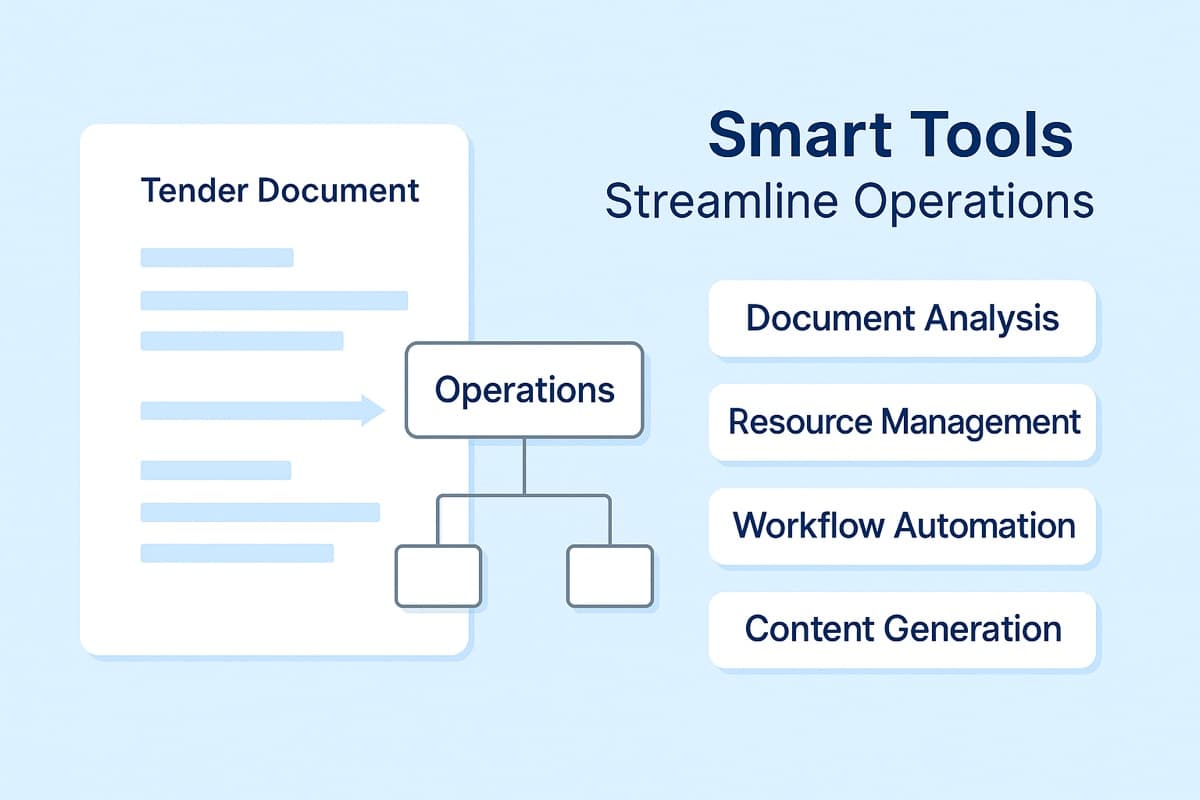
- Automated document analysis rapidly extracts requirements and deadlines from complex RFP documents
- Intelligent content suggestions leverage past successful responses to generate initial draft material
- Workflow management coordinates team activities and tracks progress against critical milestones
- Compliance monitoring ensures all requirements are addressed without manual verification
Resource Optimization Strategies
Effective team management requires careful attention to individual strengths and availability. Successful approaches include:
- Maintaining updated skill inventories for rapid team assembly
- Cross-training team members to provide flexibility during peak periods
- Establishing clear role definitions and responsibility matrices
- Implementing efficient handoff procedures between development phases
Advanced Time Management Techniques
Parallel Processing
Rather than sequential development, sophisticated teams execute multiple activities simultaneously. Technical teams can begin solution design while writers develop executive summaries, maximizing overall productivity within fixed timelines.
Iterative Development
Progressive refinement approaches allow teams to submit competitive responses even under extreme time pressure. Initial drafts focus on compliance and basic requirements, with subsequent iterations adding sophistication and competitive differentiation.
Strategic Content Prioritization
Understanding evaluation criteria enables teams to allocate time proportionally to scoring weight. High-value sections receive premium attention while routine requirements are addressed efficiently through standardized approaches.
Building Organizational Capabilities
Process Documentation
Comprehensive procedure documentation ensures consistent approaches across different opportunities and team configurations. This standardization reduces learning curves while improving overall efficiency.
Skills Development
Regular training in efficient writing techniques, project management methodologies, and platform utilization pays dividends across multiple proposal efforts. Investment in team capabilities generates compound returns over time.
Performance Analysis
Systematic review of past proposal efforts identifies opportunities for improvement and validates successful approaches. Metrics such as development time per page, revision cycles, and win rates provide objective measures of efficiency trends.
Continuous Refinement
Regular process updates based on lessons learned and changing market conditions ensure approaches remain optimal. This commitment to improvement prevents efficiency degradation over time.
Technology Integration Benefits
Advanced proposal platforms significantly enhance time management through intelligent automation and workflow optimization. Key benefits include:
- Accelerated requirement analysis through automated document processing
- Streamlined content development via AI-powered writing assistance
- Enhanced collaboration through real-time editing and communication tools
- Improved compliance tracking with automated verification systems
Cultural Transformation
Sustainable time optimization requires organizational commitment beyond individual process improvements. Successful cultures emphasize:
Strategic Planning
Proactive approach to opportunity identification and resource allocation rather than reactive response to immediate deadlines.
Quality Discipline
Commitment to excellence even under pressure, avoiding the temptation to compromise standards for speed.
Continuous Learning
Regular analysis of both successful and unsuccessful efforts to identify improvement opportunities.
Technology Adoption
Willingness to invest in and fully utilize available tools and platforms to maximize efficiency gains.
Measuring Success
Effective time management programs track multiple metrics including:
- Average proposal development time
- Win rates by opportunity type and timeline
- Resource utilization efficiency
- Quality scores and client feedback
These measures provide objective assessment of improvement efforts and guide future optimization initiatives.
Conclusion
Time optimization in competitive bidding requires systematic approaches that address both tactical efficiency and strategic positioning. Organizations that master these capabilities gain sustainable competitive advantages through their ability to pursue more opportunities while maintaining superior response quality.
Success demands commitment to process discipline, technology utilization, and continuous improvement. The investment in comprehensive time management capabilities generates compound returns through improved win rates, expanded market coverage, and enhanced team productivity.
The most successful organizations treat time optimization as a strategic competency rather than an operational challenge, building systematic capabilities that provide long-term competitive differentiation in increasingly demanding markets.
 Laura Hepper